

This is a monthly blog post from Declan Hale. Subscribe to the newsletter to read every blog right as it releases.
The 2027 Grammys nominations were just announced, and you know what that means…lots of complaining
Everyone and their grandmothers, it seems, has an opinion about it. And this isn’t new. With the internet giving all opinions an equal playing field, social media turns into a warzone anytime one of these major award nomination lists is released. Whether it’s the Emmys or Oscars, someone will let you know their vitriol regarding their favorite piece of media not getting the recognition it deserves.
The Grammys are no different.
That’s not to say that the Grammys nominations are perfect, of course. Much more than any other major media award, getting a Grammy nomination is very dependent on the music’s mainstream popularity. For an award ceremony like the Oscars, you could see the 10 highest grossing films of the year and never come across a Best Picture nominee. For The Grammys, its almost a requirement for your music to have reached the top of the Billboard charts to qualify for Best Song, Record, or Album Of The Year. This usually leaves lots of great music absent or unrewarded. Additionally, the Recording Academy has still managed to leave out popular music in past nomination lists that have ruffled some feathers.
One of the most notable Grammy snubs was The Weeknd’s “After Hours” album, which featured the smash hit “Blinding Lights.” The album gained wide commercial and critical success, but the Grammys did not give it a single nomination that year. The Weeknd spoke publicly about the snub afterwards, stating he would never submit music for Grammys consideration again, a promise he has held as of writing this. Drake has also been a vocal critic of The Grammys in a similar fashion, who stopped submitting his music for Grammys consideration after “Certified Lover Boy,” and whose only nominations since have come from collaborations he did not directly submit himself.
This year came with its own slate of snubs. The most notable was Harry Styles, whose musical output this year received no nominations despite its decent commercial performance and accompanying historic world tour. Noah Kahan also only received one nomination in a fairly niche category, which angered many corners of the internet.
The biggest snub story didn’t come from these blockbuster names, but rather someone you may have never heard about before: John Summit.
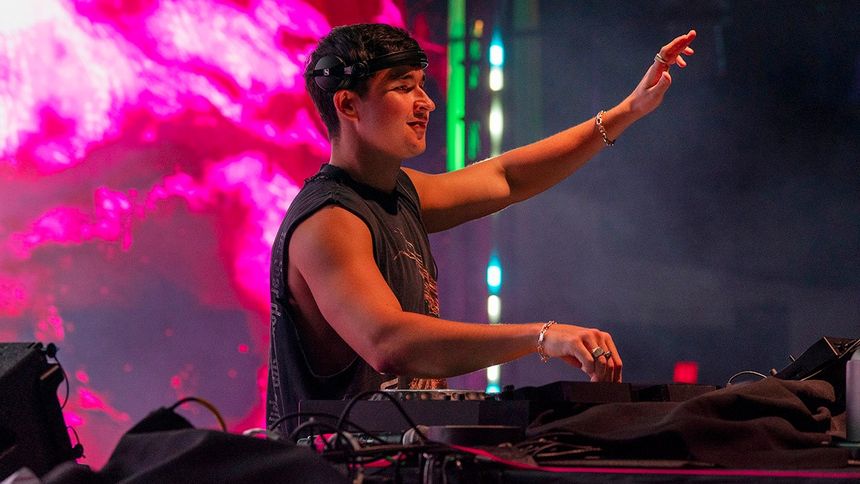
I’m sure fans of electronic music might take offense at my implication of him being an unknown artist, but I would venture to say most people outside of the EDM scene would not recognize his name. None of his music has crossed over to the Billboard Hot 100 yet, and his albums have only reached as high as 39 on the Billboard 200 (albums) chart. Still, he’s a major figure in electronic music, racking up plenty of hits on the dance charts and selling out arena shows across the nation.
Now he’s been making headlines for something other than his music.
John Summit’s Response to Grammys Snub
After receiving no nominations for his music released in 2026, John Summit took to X (Twitter) with his grievances.
never submitting to the grammys again unless sh*t changes, it’s all a f*cking joke.
i’m not just talking about myself either there’s zero respect for real electronic dance music & dj’s. the whole dance category is just music industry fueled pop stars
As mentioned before, it is not uncommon for artists to speak out against the Grammys, especially if they are snubbed. Still, this post gained traction online, prompting him to double down.
not saying the artists nominated aren’t good, they’re just not dance music, they’re pop.
no dj is playing that music in the clubs.
As is common on the internet, these inflammatory comments were picked up by the algorithm and spread like wildfire, even garnering responses from other celebrities.
The most notable response was from popstar Charli XCX, who chimed in with a succinct “not this guy again !” This brought back to light another public spat the two artists had back in April about the state of dance music and clubs in 2026.
However, a more cerebral response came from Matt Bernstein:
disrespecting women who’ve just been recognized for the first time in their decade+ long careers when you have one of the most charmed experiences in music… does it not get exhausting!!! you became famous one year after quitting your accounting job
And this brings up a good point. Many of the artists nominated in the dance categories this year are from marginalized groups (women, POCs, LGBTQ+), of which several have yet to see recognition from the institution, such as Slayyyter, Tinashe, and underscores. From anecdotal evidence by those responding to this drama across the internet, it can be gleaned that Summit’s assertion of the nominated music not being played in dance clubs is false, and greater writers than me have already discussed the misogynistic and homophobic sentiments behind his statements. However, this isn’t to say the Grammys should be let off the hook for their role in this.
The Grammys and Dance Music
Despite dance music having cultural relevance decades before, the first dance/electronic music category was not introduced into the Grammys until 1998. The “Best Dance/Electronic Recording” category was contentious upon its release, with many individuals (even some within the Recording Academy) holding that dance/electronic music was not legitimate as other forms of music due to a “lack of melody or verse.” An argument can be made about the racist undertones of these statements due to dance music’s inherent connection to and origin in marginalized communities.
Since then, the Grammys have added three new electronic-adjacent categories, those being “Best Dance Pop Recording,” “Best Dance/Electronic Album,” and “Best Remixed Recording.” However, despite the genre’s undeniable influence across multiple genres, these categories are still relegated to the same field as the other pop awards, insinuating its “lesser nature” compared to other contemporary genres with their own fields.
The Deeper Implications Of It All
The Grammys have never been known for their progressive ideals when it comes to their selection process. It took a long time for the Grammys to recognize dance music in its own categories, and a lot of the detractors within the Recording Academy used dogwhistles similar to those against rap music for their reasoning against these categories (i.e. the “lack of melody or verse” comments). They have also been known for stereotyping within other categories, like when Tyler, The Creator called out the institution for labeling his “IGOR” album as rap.
However, the past several years have seen the Grammys trying to rectify this public perception. Beyonce’s “COWBOY CARTER” winning Album Of The Year was not only a well-deserved award given to a great album, but also a nod to black musicians’ contributions to country music. And, as Matt Bernstein noted, this year’s dance categories are filled with LGBTQ+ & underrepresented artists.
Just because the Recording Academy wants to curate this progressive perception, though, it doesn’t mean they always follow through with it. The year after the “COWBOY CARTER” album’s wins, the Grammys established “Best Traditional Country Album” and changed “Best Country Album” to “Best Contemporary Country Album.” While the official stance of the difference in these categories is determined by the amount of organic instrumentation on the album, many critics pointed out the suspicious timing of these categories being established right after the country music industry’s backlash to Beyonce’s wins.
So, it’s apparent that the Grammys have an extensive track record of overlooking and segregating music from marginalized communities. In a sense, this means John Summit is right: EDM producers and DJs have been systemically overlooked by the Grammys, but not for the reasons he is implying in his posts.
Summit’s true motives with these tweets are clear in his responses to the backlash. He published two tweets feigning a defensive nonchalance to the situation, which are riddled with the same kinds of fallacies many use online when backed into a corner:
“here come all the lil teeny bopper pop stan accounts with zero real world life experience to attack me”
“oh no i’m getting attacked hard on here…time to log off and continue my sold out arena tour for my real fans :)”
Then, a few hours later, one final, more measured post, his final comment on the situation as of writing this:
logging back on as i realized i didn’t do a good job of making my point earlier. my intent was not to drag other artists down and i seriously congratulate everyone who was nominated
they fully deserve the recognition. i just think there should be an extra category for more dance music djs & producers
much love everyone. signing off from twitter now for a while
Though I’m sure some emergency PR work is responsible for this final response, it brings up a good point. The Recording Academy has sorely underrepresented dance music in the past, and adding another category specifically for DJs and EDM producers is not a bad idea. The Grammys’ acknowledgement of marginalized artists in the current dance/electronic categories is also a step in the right direction. Yet, the Grammys still have plenty of work to do in regards to rectifying their past/current biases and segregated categorizations.



Leave a Reply